Persian Wedding Officiant
A Persian wedding ceremony has a rhythm of its own: the Aghd, the Sofreh, the family participation, the pause before baleh, and the balance between tradition and the couple standing in front of you. Royaal provides Persian and Iranian wedding officiant services built around that real ceremony, with Farsi, English and bilingual options for Southern California weddings.
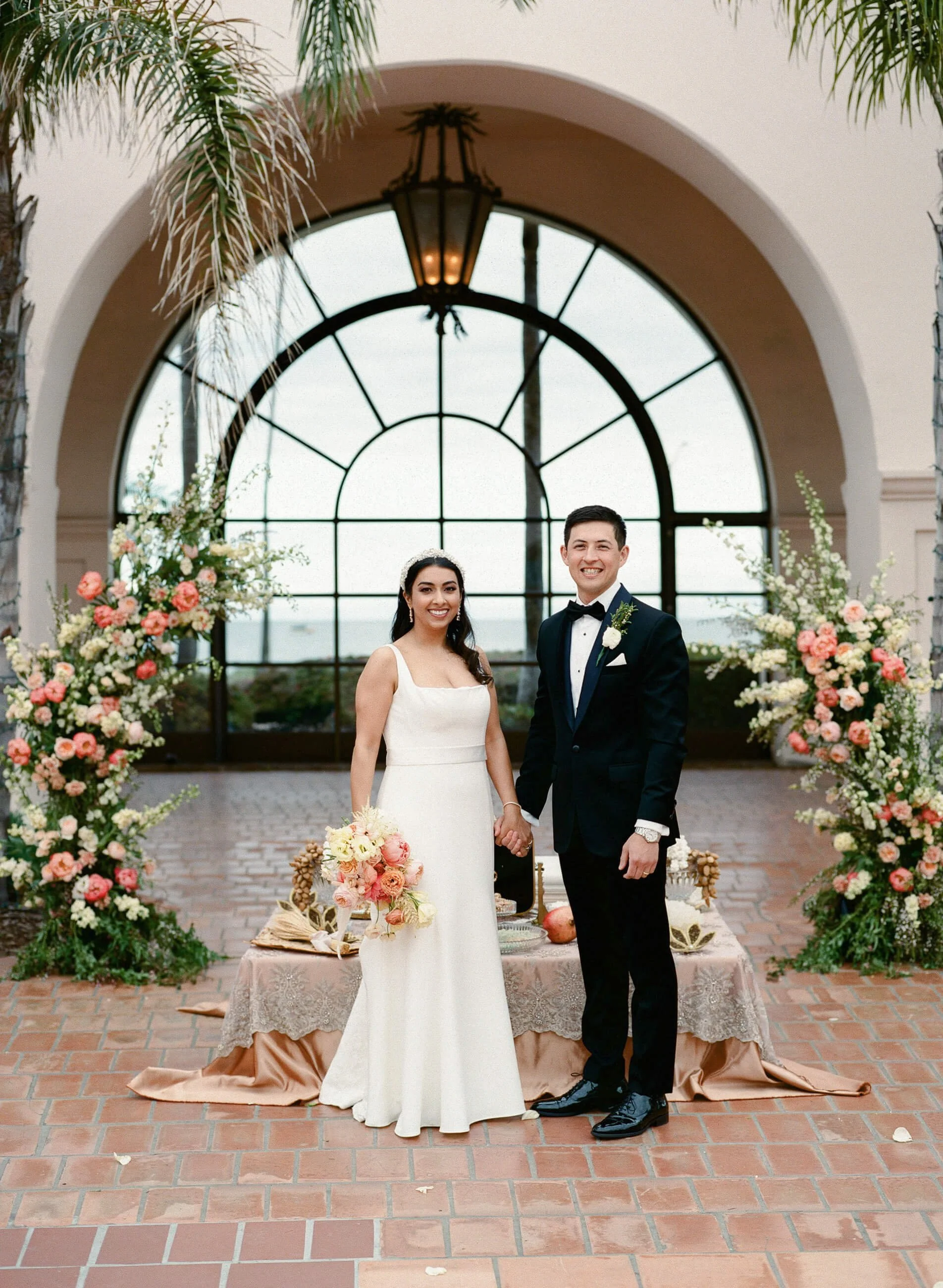
AGHD
CEREMONIES

How Royaal builds a ceremony around your family.
Some couples want a recognizably traditional Persian Aghd. Some want the key rituals but very little formal language. Some need Farsi for parents and grandparents, English for half the guest list, and personal vows that feel completely American. Those are different ceremonies, even when the Sofreh looks similar.
Royaal is a wedding officiant service for couples who want the ceremony to feel Persian without sounding copied from a generic script. Our Persian wedding officiants help decide what belongs, what can be shortened, what should be explained to guests, and where the officiant should step back so the family moment can happen naturally.
Build a Persian ceremony that fits your room.
Use this as a starting brief for your Royaal officiant. Choose the language mix, ceremony style and the moments you want included. The sample flow updates so you can see what a clean version of the ceremony might look like before we shape the final wording with you.
Traditional moments stay recognizable, while English keeps non-Persian guests oriented. Farsi carries the consent ritual and selected emotional lines.
Inside the Persian Wedding Ceremony
What actually happens during the Aghd.
The Sofreh Aghd is the setting. The Aghd is the ceremony itself. For couples planning a Persian wedding in Los Angeles, Orange County or San Diego, this is a practical way to think about the ceremony from the first welcome to the final kiss. The exact wording and order can change by family, faith and officiant, but these are the moments most modern Persian and Persian-American ceremonies are built around.
Welcome and guest orientation
The officiant opens the ceremony and gives guests just enough context to understand what they are about to see. At a bilingual wedding, this is often the best place for a short English explanation rather than translating the entire Aghd line by line.
Officiant cue: establish the tone, language balance and meaning of the Sofreh without turning the opening into a lecture.The couple takes their place at the Sofreh
Some couples begin seated at the Sofreh. Others use a Western-style processional first and sit down after the opening. The mirror, candles, honey, sugar cones and other symbolic pieces are already in place, but the officiant should know which items will actually be used during the ceremony.
Officiant cue: confirm where the couple sits, where the microphone lands and whether anyone needs to cross in front of the photographer.The Aghd reading begins
This is the formal heart of the ceremony. Depending on the couple, it may include traditional Persian marriage language, poetry, a prayer, a secular reading or a custom script. In mixed-culture weddings, this is where the ceremony can acknowledge both families without stacking two full ceremonies back to back.
Officiant cue: use Farsi where its sound and tradition matter, and English where explanation helps the room follow along.The sugar cloth and kalleh ghand
Loved ones hold a fine cloth above the couple while two sugar cones, or kalleh ghand, are rubbed together over it. The sugar falls onto the cloth as a wish for sweetness in the marriage. Some families choose happily married women for this role; others choose sisters, cousins, friends or whoever feels most meaningful.
Officiant cue: decide the participants and their order before the ceremony so nobody is figuring it out behind the couple.Consent and the final “baleh”
In the familiar version of the Persian consent tradition, the bride is asked more than once before answering “baleh,” meaning yes. Family and friends may fill the first pauses with playful excuses. The moment works best when the officiant gives the family room to participate instead of scripting every joke.
Officiant cue: keep the pauses intentional, make the final answer audible and then let the room react.Personal vows, rings or family blessings
Many Persian-American couples place personal vows and rings immediately after consent. Others add a short reading, family blessing or second cultural or religious element. None of these additions need to compete with the Aghd if they are placed deliberately.
Officiant cue: keep transitions short and know exactly who has the rings, reading or microphone before this point arrives.The honey exchange
The couple feeds each other a small taste of honey, traditionally from a fingertip, so married life begins with sweetness. It is one of the quickest rituals in the Aghd and one of the easiest for non-Persian guests to understand without a long explanation.
Officiant cue: have the honey uncovered and within reach. This moment should feel intimate, not like a prop search.Pronouncement, kiss and recessional
The officiant closes the ceremony, announces the marriage and gets out of the way of the reaction. If this Aghd is also the couple’s legal California marriage ceremony, the marriage license is completed separately with the required signatures rather than turning the signing into the emotional climax.
Officiant cue: make the ending unmistakable, then leave space for the kiss, applause and photography.Plan the baleh before you plan the joke.
In a familiar Persian tradition, the bride may be asked for consent more than once before finally answering “baleh” — yes. Guests often fill the pauses with playful excuses. It is funny because everyone understands the rhythm, not because the officiant needs to force a punchline.
Decide ahead of time whether your family wants the classic three-asking version, a shortened version, or no delay at all. Then make sure the microphone catches the final answer. That reaction is one of the biggest ceremony moments of the day.

Bilingual does not mean saying everything twice.
Royaal can conduct the ceremony in Farsi, English or a deliberate mix of both. A literal line-by-line translation can turn a focused 25-minute Aghd into a ceremony that feels twice as long, so our approach is to give each language a clear job.
Use English when much of the room does not speak Farsi: a concise explanation of the Sofreh, sugar ritual or what guests are about to see.
Use Farsi for the parts your Persian family recognizes by sound and rhythm, especially consent and selected Aghd lines.
Choose the language that sounds most natural for the couple. A bilingual wedding does not require the personal story to be bilingual too.
Each person can speak in the language they actually use with one another. Short translations can be printed if family members want them.
A short bilingual ending works well because everyone understands the exact moment the ceremony has concluded.
The Sofreh can be perfect and the ceremony can still run badly.
Beautiful Persian wedding setups have real movement around them. Before guests arrive, the officiant should know where the couple sits, who approaches from which side, how the sugar cloth is held, where rings and honey are placed, and whether anyone has to cross in front of the photographer.

Microphone placement
The officiant and the couple’s responses need to be audible. Outdoors, wind protection matters more than a prettier mic stand.
Sugar-cloth positions
Assign who holds corners and who rubs sugar before the ceremony. Do not make relatives negotiate positions behind the couple in real time.
Honey and rings
Put them where the officiant can cue the moment without standing up, reaching across the Sofreh or asking someone to find them.
Photo sequence
Give the photographer the order: sugar, consent, vows, rings, honey and kiss can happen within a few minutes.
Processional handoff
Decide whether the couple sits at the Sofreh immediately or remains standing for an opening before taking their seats.
Combine traditions by editing, not stacking.
Royaal officiants regularly work with Persian-American and multicultural couples. A mixed ceremony gets long when every tradition is performed in full and then explained in full, so we start with the moments each family would genuinely miss and build one ceremony around those priorities.
Persian + Western
A Western processional can lead straight into the Aghd. Many couples keep the Sofreh, sugar, baleh and honey, then add personal vows, rings and a familiar recessional.
Persian + Jewish
Sofreh Aghd elements can be paired with a chuppah, ketubah signing, Jewish blessings or breaking the glass. The officiants should agree on order before rehearsal.
Persian + Christian
Readings, prayer or a Christian blessing can be placed around the Aghd without repeating the marriage declaration twice. Decide which officiant handles the legal solemnization.
Persian + another culture
For Indian, Arab, Armenian, Afghan or other multicultural weddings, it is often cleaner to choose a few unmistakable Persian rituals rather than compress two full ceremonies into one block.
The cultural Aghd and the legal ceremony can be the same event.
If you want your Persian ceremony to be your legal California marriage, the legal pieces should be planned with the same care as the script. California law requires a marriage license and an authorized person to solemnize the marriage.
Get the marriage license
Obtain your license through a California county clerk. County offices generally advise couples that marriage licenses expire after 90 days, so time the appointment around the wedding date.
Bring it to the ceremony
The person solemnizing the marriage must be presented with the marriage license before the marriage is solemnized.
Sign it correctly
For a public license, plan for at least one witness. The officiant completes the required ceremony information and signs the officiant section.
Return it to the issuing office
California law places the return obligation on the person who solemnizes the marriage, with the completed license due back to the issuing recorder or official within 10 days.
This section is practical planning information, not legal advice. Requirements can vary by license type and circumstance. Confirm the instructions printed on your license and the current rules of the county that issued it.
What to send your officiant before rehearsal week.
Before your planning call with Royaal, send the decisions that affect the script early. That keeps the final week focused on timing, pronunciation, family roles and polish instead of rebuilding the ceremony from scratch.
Names and pronunciations
Full names, preferred introductions and any family names the officiant will say aloud.
Language preference
Mostly Farsi, mostly English or balanced bilingual, plus which relatives need each language.
Traditions you are keeping
Sugar ritual, repeated consent, honey, poetry, rings, family blessings, religious language or symbolic-only Aghd.
Personal vows and readings
Final text, reader names and whether translation is needed.
Sofreh participation list
Who holds the cloth, who rubs the sugar, who brings rings or honey and the order they will approach.
Marriage license details
County of issue, license type and who will serve as witness if one is required.
Royaal Persian officiants across Los Angeles, OC and San Diego.
Royaal works with Persian and Iranian weddings in ballrooms, hotels, private estates, gardens, coastal venues and homes throughout Southern California. The ceremony format can stay consistent while the logistics change dramatically by venue.
Los Angeles
From Beverly Hills and West Los Angeles to Malibu, Pasadena and the Valley, ceremony plans often need to account for larger production teams, tight venue timing and bilingual guest lists.
- Ballroom and hotel Aghds
- Estate and private-home ceremonies
- Persian-American and multicultural formats
Orange County
Orange County Persian weddings often move between coastal resorts, Newport-area hotels, garden venues and large family celebrations. Outdoor audio and wind planning matter more than couples expect.
- Newport Beach and Costa Mesa area
- Laguna and South County venues
- Indoor or coastal outdoor ceremonies
San Diego
San Diego ceremonies frequently use resort lawns, ocean-view terraces and private estates. A clean timeline protects the Sofreh setup, photography window and ceremony start from competing with one another.
- La Jolla and coastal venues
- Resort and estate weddings
- Bilingual Aghd ceremony planning
Questions couples ask before booking.
When you contact Royaal, you can ask about the ceremony itself or the family expectations around it. A lot of Persian wedding planning lives in the space between “this is traditional” and “this is how our family does it,” and our officiants can help you sort out that difference.
Tell Royaal what you need from your Persian wedding officiant.
You do not need to have the ceremony figured out before reaching out to Royaal. Send the basics and tell us what matters most: language, family traditions, ceremony style, legal solemnization, or a mixed-culture format. We will match the ceremony direction to the officiant service you actually need.
Book a Royaal officiant for the Aghd you actually want.
Royaal provides Persian wedding officiants for traditional, modern and mixed-culture ceremonies. Send your wedding date, venue or city and language preference, and we can take it from there.