Jewish Wedding Officiant
Your ceremony should sound like a rabbi who actually knows you, not a template with “Mazel Tov” added at the end. Royaal provides Jewish wedding officiant and rabbi wedding officiant services across Los Angeles, Orange County and San Diego, with planning for the chuppah, ketubah, Hebrew and English, family honors, Jewish blessings and the California marriage license.
+ LEGAL
CEREMONY
Four conversations worth having early.
“Jewish wedding” can mean very different things to different couples and families. Royaal starts by figuring out what your ceremony is supposed to be, religiously, culturally and emotionally, before anybody writes a script.
How traditional?
Do you want a traditional kiddushin and nissuin structure, a modern Jewish ceremony, or a lighter cultural ceremony built around a few core rituals? This affects everything that follows.
Which Hebrew matters?
Some couples want the classic blessings intact; others want selective Hebrew with clear English framing. The goal is meaning, not making half the room wonder what is happening.
Who gets an honor?
Parents, grandparents, siblings and close friends may be involved in the ketubah, processional, chuppah, readings or Sheva Brachot. Decide the roles before the rehearsal.
Religious + legal?
If the same ceremony will also create your legal California marriage, the license needs to be obtained before the wedding and handled correctly by the officiant afterward.
The title matters less than the fit.
A Jewish wedding officiant is often a rabbi, but Jewish law does not universally make “rabbi” the only possible ceremony leader. In practice, couples hire rabbis because they want someone who can teach, interpret the ritual, guide the preparation and lead the room with confidence.
Rabbi
A rabbi can help the couple understand the ceremony rather than just perform it, including the ketubah, blessings, ring language and how each ritual fits the Jewish framework they want.
- Best when Jewish learning and pastoral guidance matter
- Denominational and interfaith policies can vary
- Ask about ceremony requirements before booking
Jewish Officiant
The officiant manages the actual wedding experience: timing, ritual order, transitions, family honors, microphones, guest context and the moments that must happen under the chuppah.
- Useful for hotel, estate and destination weddings
- Should understand the couple’s chosen Jewish practice
- Can coordinate closely with planner and venue
Legal Officiant
California specifically lists a rabbi among the people who may solemnize a marriage. A valid marriage license still has to be issued before the ceremony, completed and returned for recording.
- Confirm the legal name information in advance
- Know who is signing the public license as witness
- Do not confuse the ketubah with the civil license
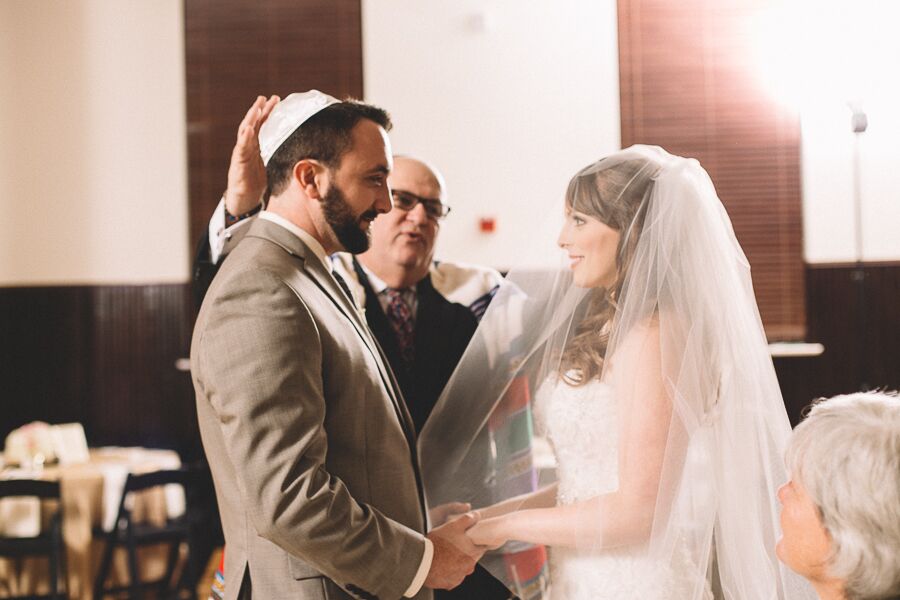
The ceremony has a structure. It does not have to feel stiff.
Welcome + intention
The officiant settles the room, acknowledges the families and explains just enough for guests to understand the meaning of the ceremony without turning it into a lecture.
Kiddushin + wine
Traditional ceremonies begin the betrothal portion with blessings, including a blessing over wine. Exact wording and participation vary by movement and couple.
Ring exchange
The traditional ring moment uses specific Jewish marriage language. Egalitarian and liberal ceremonies often adapt the exchange so both partners give rings and speak.
Ketubah reading
The ketubah is generally signed before the chuppah and may then be read or summarized during the ceremony. You do not need to read every line aloud for it to matter.
Sheva Brachot
The Seven Blessings form the heart of the nissuin portion of a traditional Jewish wedding. Some couples invite loved ones to recite or interpret selected blessings.
Glass + Mazel Tov
The glass breaking gives the ceremony its unmistakable finish. Once it breaks and the room erupts in “Mazel Tov,” the transition into celebration should be immediate.
Build your chuppah ceremony.
This is a planning tool, not a ruling on Jewish law. Rabbi requirements differ by movement and community. Use it to see how your choices affect ceremony length and what Royaal should discuss with you before the wedding.
A modern Jewish ceremony with room to breathe.
Keep the recognizable Jewish structure, explain the important moments in English and leave enough space for the couple to sound like themselves.
- Chuppah ceremony with clear opening and transitions
- Hebrew blessings with concise English context
- Ketubah signing planned before guest seating
- Ring exchange, Sheva Brachot and glass breaking
- Personal vows included without duplicating the Jewish marriage language
Do not leave the marriage document until wedding week.
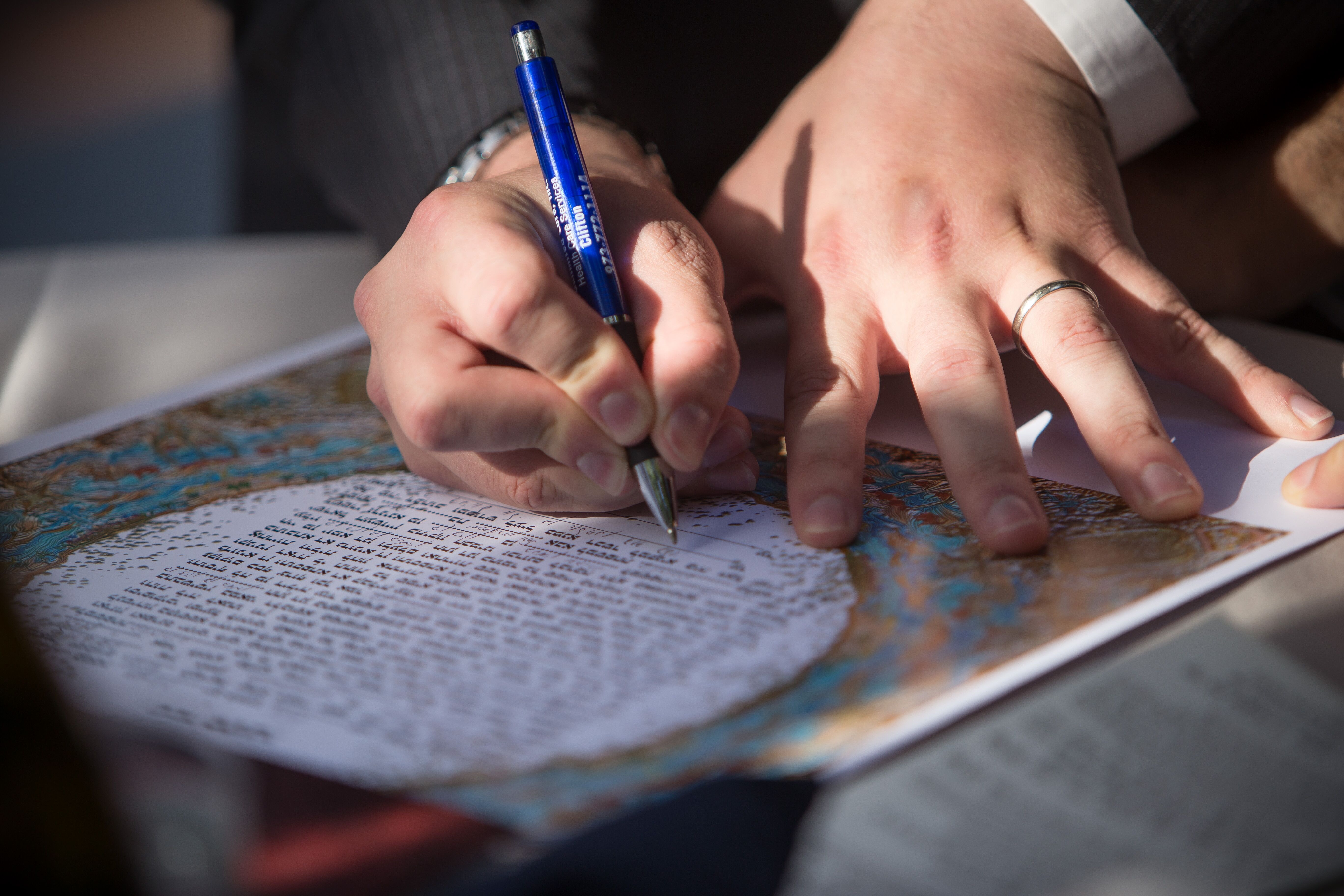
The ketubah is not just artwork for the living-room wall. In traditional Jewish practice it is a marriage contract with defined obligations and witness requirements. Modern couples also use egalitarian, Reform, interfaith and personalized texts. The practical issue is simple: choose the version early enough for the rabbi to review the wording and the witness plan.
Choose the text
Traditional Aramaic, Conservative, egalitarian, Reform, interfaith or another approved version.
Confirm names
Hebrew names, parents’ names and transliterations should be checked before printing or calligraphy.
Confirm witnesses
The religious qualifications expected of ketubah witnesses vary by community and officiant. Ask before assigning the honor.
Schedule signing time
Build a quiet 10–20 minute window before the chuppah so signing does not compete with photos or guest arrival.
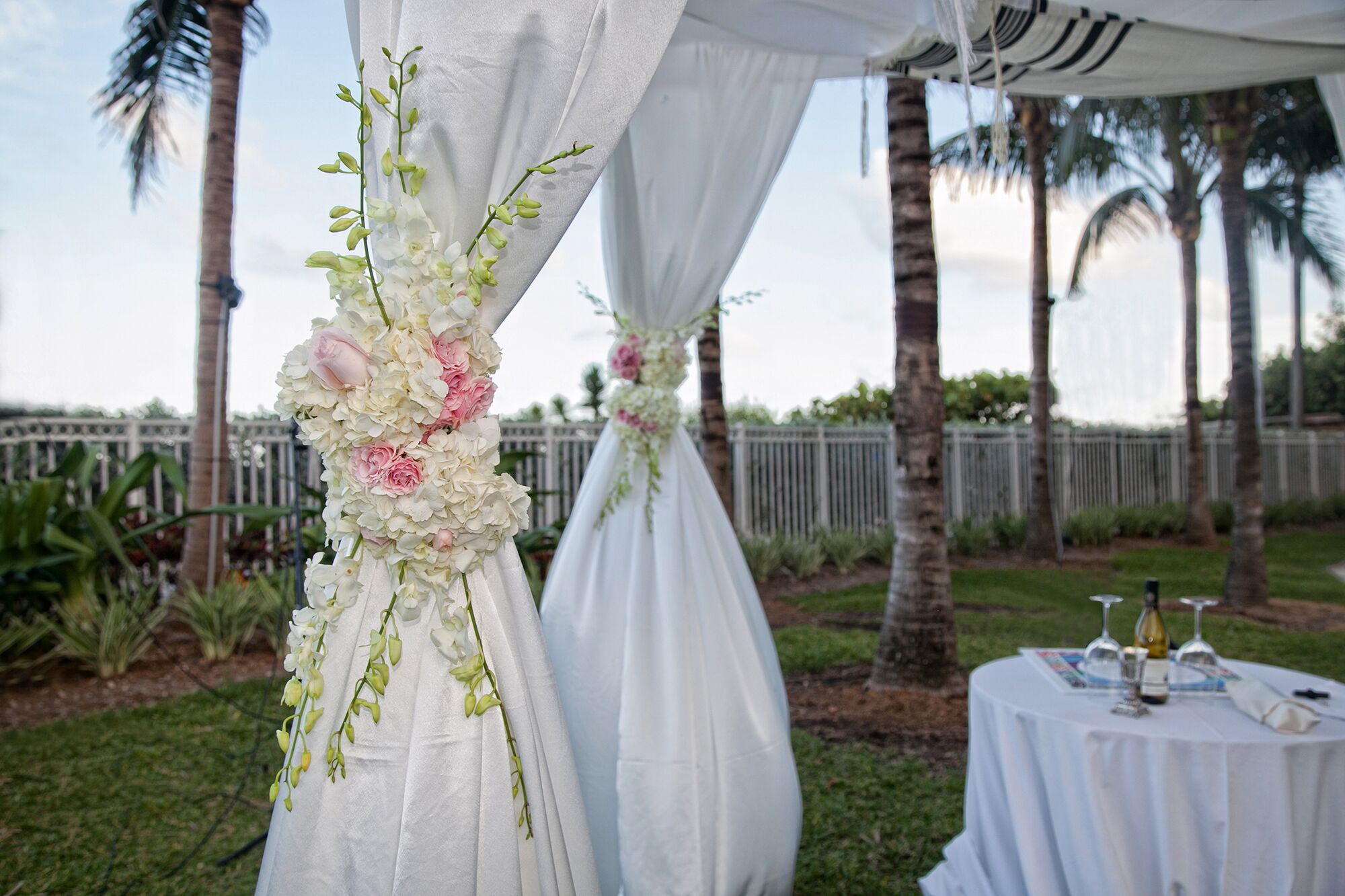
Beautiful is good. Stable, visible and audible is better.
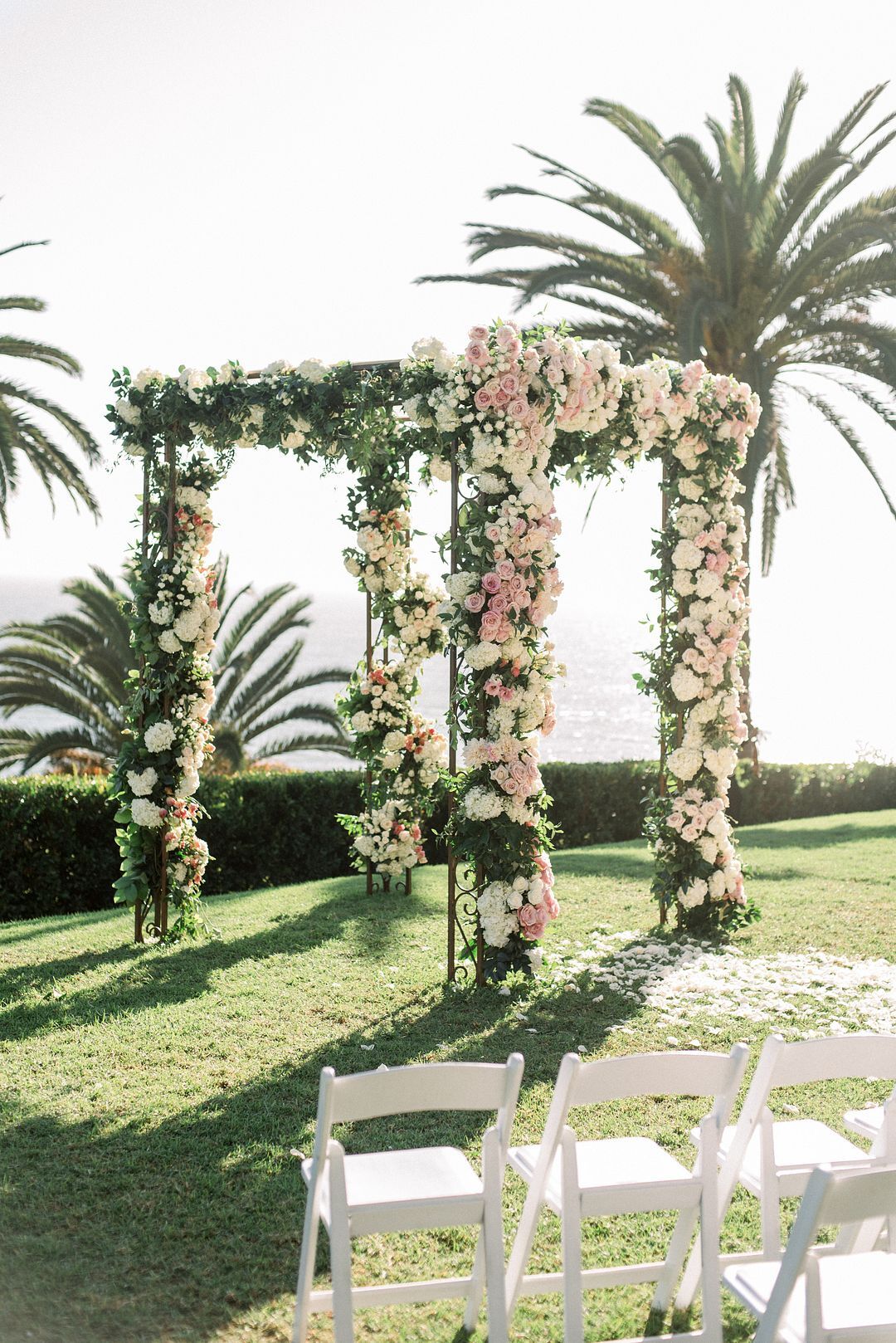
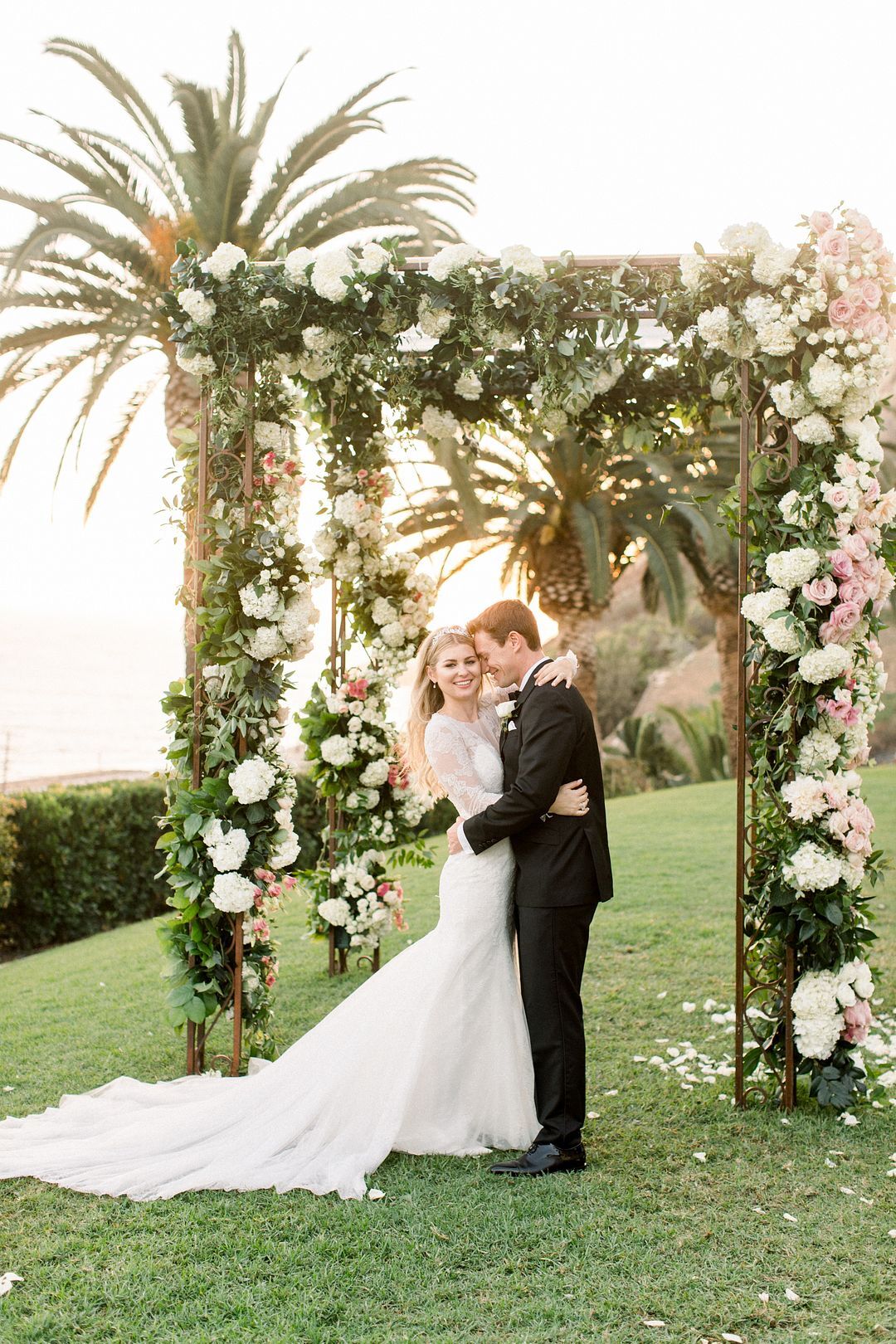
The chuppah symbolizes the home the couple is creating, but on the wedding day it is also a physical stage. Royaal plans around the real space so the rabbi is not hidden behind florals, the couple can face each other, family honors have somewhere to stand and the microphone does not end up inside the photographer’s frame all ceremony.
Check the footprint
Four posts, florals, couple, rabbi and family can consume more room than the rendering suggests.
Protect the wind plan
Outdoor Southern California weddings still need weighted bases and a backup plan for fabric movement.
Leave a sightline
Large center florals can block the couple or officiant from entire seating sections.
Mic the ceremony
One discreet officiant mic plus a plan for vows/readings is usually cleaner than passing a handheld around.
Jewish wedding officiant cost
What should a Jewish wedding officiant quote actually include?
The ceremony itself may be under half an hour. The work behind it is not. When you compare a rabbi or Jewish wedding officiant in Los Angeles, Orange County or San Diego, compare the preparation, ritual guidance and wedding-day responsibilities behind the fee, not just the number at the bottom.
Published national pricing guides place many Jewish wedding officiants in this broad range. Experienced rabbis and cantors in major California markets may quote above it, especially when the service includes multiple meetings, custom ceremony writing, travel or a rehearsal. This is market context, not Royaal pricing.
Planning meetings
Ask how many meetings are included and whether they cover Jewish background, family expectations, ceremony style, Hebrew comfort level and personal remarks.
Custom writing
A personalized ceremony should account for the couple’s story, chosen Jewish framework, chuppah sequence, vows, blessings and guest-facing explanations.
Ketubah + license coordination
Confirm whether the officiant reviews ketubah wording and witness requirements, leads the signing, and completes the California marriage-license responsibilities after the ceremony.
Rehearsal, travel + extra time
These are common quote differences. Ask whether rehearsal attendance, extended travel, additional clergy, premarital sessions or a separate ketubah signing are included or billed separately.
A lower fee is not automatically a better value.
Two officiants can quote very different numbers for what sounds like the same Jewish wedding ceremony. One may be quoting only the wedding day. Another may be including several planning sessions, ceremony development, Hebrew preparation, ketubah review, family honors, planner coordination, rehearsal time and civil paperwork. Before comparing price, make the scope comparable.
Southern California detail: venue location matters. A ceremony in Beverly Hills, Malibu, Newport Beach, Laguna Beach, La Jolla or Rancho Santa Fe can involve very different travel and arrival logistics. Ask about travel before booking so it does not become a last-minute line item.
Tradition is a toolbox, not a checklist.
Some practices are central to a particular Jewish legal framework; others are customs that vary widely. Your rabbi should tell you which is which instead of treating every Instagram wedding detail as a requirement.
Ketubah signing
Usually handled before the public ceremony with the officiant and witnesses. Give it protected time and do not bury it inside the photo schedule.
Circling
In some traditions the bride circles the groom seven times; egalitarian couples may circle each other or skip the custom. Ask what meaning you want it to carry.
Wine
Cups of wine appear at key points in the ceremony. Decide who provides the cup and wine, and whether you need a non-alcoholic option.
Sheva Brachot
The Seven Blessings are central to the traditional nissuin ceremony and can also create meaningful family honors when the officiant’s practice allows it.
Breaking the glass
Wrap the glass safely, place it exactly where the couple can reach it and tell the photographer when it is coming. The “Mazel Tov” explosion should feel spontaneous even though the logistics are not.
Yichud
Many couples take a short private moment immediately after the chuppah. If you want it, protect the room and timing before the planner sends family in for portraits.
Ask about policy before you fall in love with the officiant.
Rabbi policies on interfaith weddings are not uniform. Many Reform rabbis and cantors officiate when one partner is Jewish, while others set their own expectations about Jewish community life, future children, co-officiation or ceremony content. Conservative and Orthodox policies are generally different. The useful move is to be specific about your situation from the first conversation.
Your ketubah and your civil license are two different documents.
California law recognizes a rabbi as a person who may solemnize a marriage. That does not eliminate the civil paperwork. The marriage license still has to be obtained before the ceremony, completed correctly and returned to the county for recording.
Get the license first
California marriage licenses are generally valid for 90 days. Obtain yours before the wedding and bring the original document to the ceremony.
Know the witness plan
A public California marriage license requires at least one witness at the ceremony; a confidential license uses different witness rules. This is separate from ketubah witness requirements.
Return it for recording
After the ceremony, the authorized officiant completes the required sections and the license is returned to the issuing county for registration.
The ketubah is a Jewish marriage document. The California marriage license is the civil document used to create and record the legal marriage. Having one does not automatically complete the other.
Royaal serves the wedding venue, not just the synagogue.
We work with couples planning Jewish ceremonies at synagogues, hotels, country clubs, coastal venues, private estates, gardens and ballrooms throughout Los Angeles, Orange County and San Diego.

Los Angeles
Beverly Hills · West Hollywood · Malibu · Santa Monica · Pasadena · Calabasas · Downtown LA
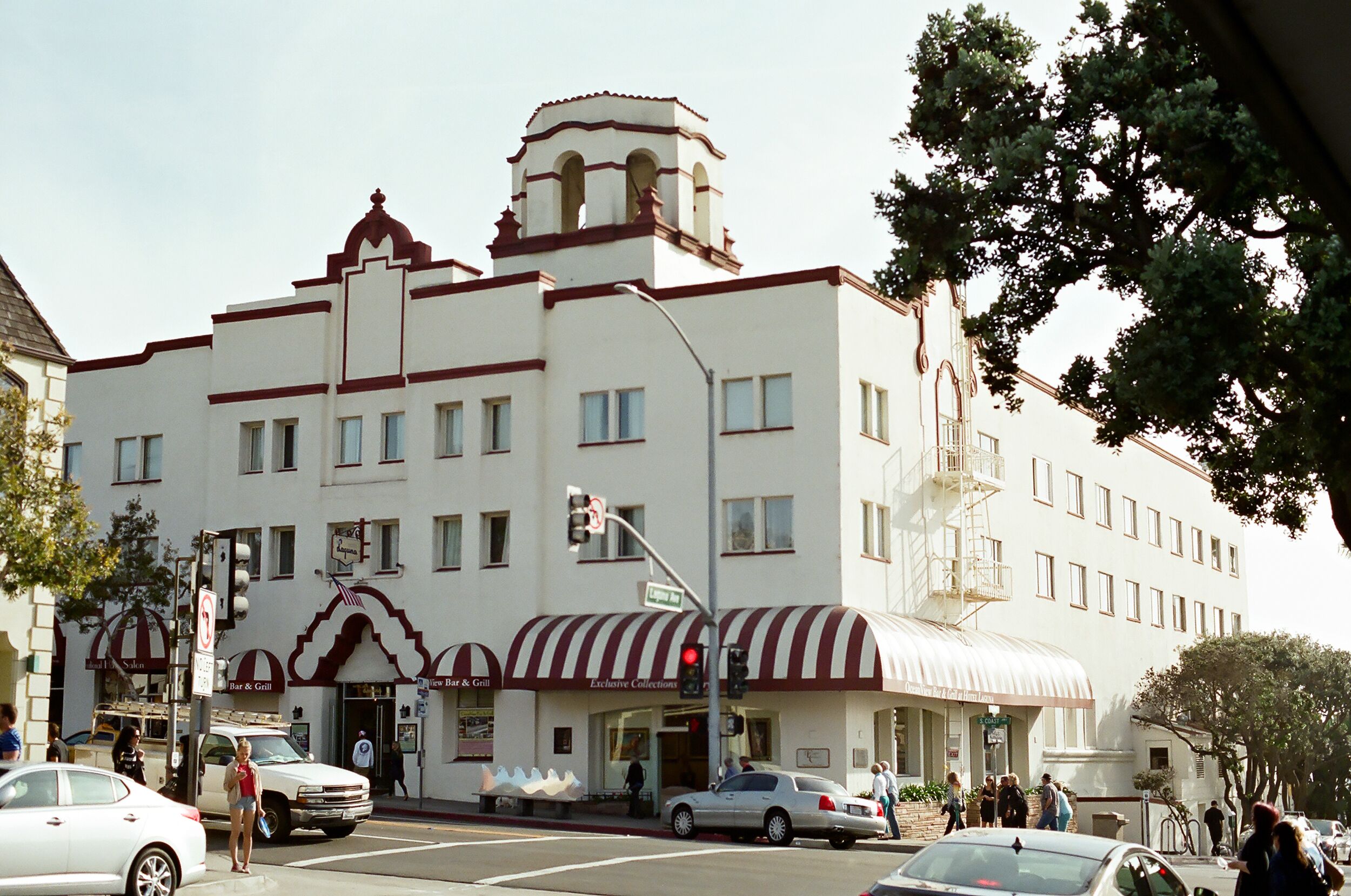
Orange County
Newport Beach · Laguna Beach · Irvine · Dana Point · Costa Mesa · Anaheim · San Juan Capistrano
San Diego
La Jolla · Del Mar · Rancho Santa Fe · Coronado · Downtown San Diego · Carlsbad · North County
The ceremony gets built before wedding week.
The point of preparation is not to add meetings. It is to settle the religious, family and logistical questions while there is still time to make thoughtful choices.
Tell us the basics
Date, venue, Jewish backgrounds, ceremony style, interfaith details if relevant and whether Royaal will also handle the legal California marriage.
Meet your officiant
Talk through the ceremony, family expectations, Hebrew comfort level, personal story and the Jewish elements you want to understand better.
Lock the documents
Finalize ketubah text and witnesses, confirm legal-license logistics and make sure names and roles are correct before the wedding.
Walk in prepared
Royaal arrives with the ceremony structure, family honors and timing already mapped so the chuppah is about getting married, not solving logistics.
Questions couples ask before booking.
If a question depends on denomination, family practice or a specific ketubah, we would rather tell you that than pretend every Jewish wedding follows one universal rule.
Tell Royaal what kind of Jewish wedding you are planning.
You do not need to know every ceremony detail yet. Give us the date, venue and the Jewish framework you have in mind. We can figure out the rest in the planning conversation.
A Jewish ceremony that feels like your wedding.
Chuppah, ketubah, Hebrew, family, legal paperwork and the personal story behind all of it. Royaal brings those pieces together for Jewish weddings throughout Southern California.